What Is Automotive Technology?
Automotive technology is the study and practical application of systems used to inspect, maintain, diagnose, and repair cars and light trucks.
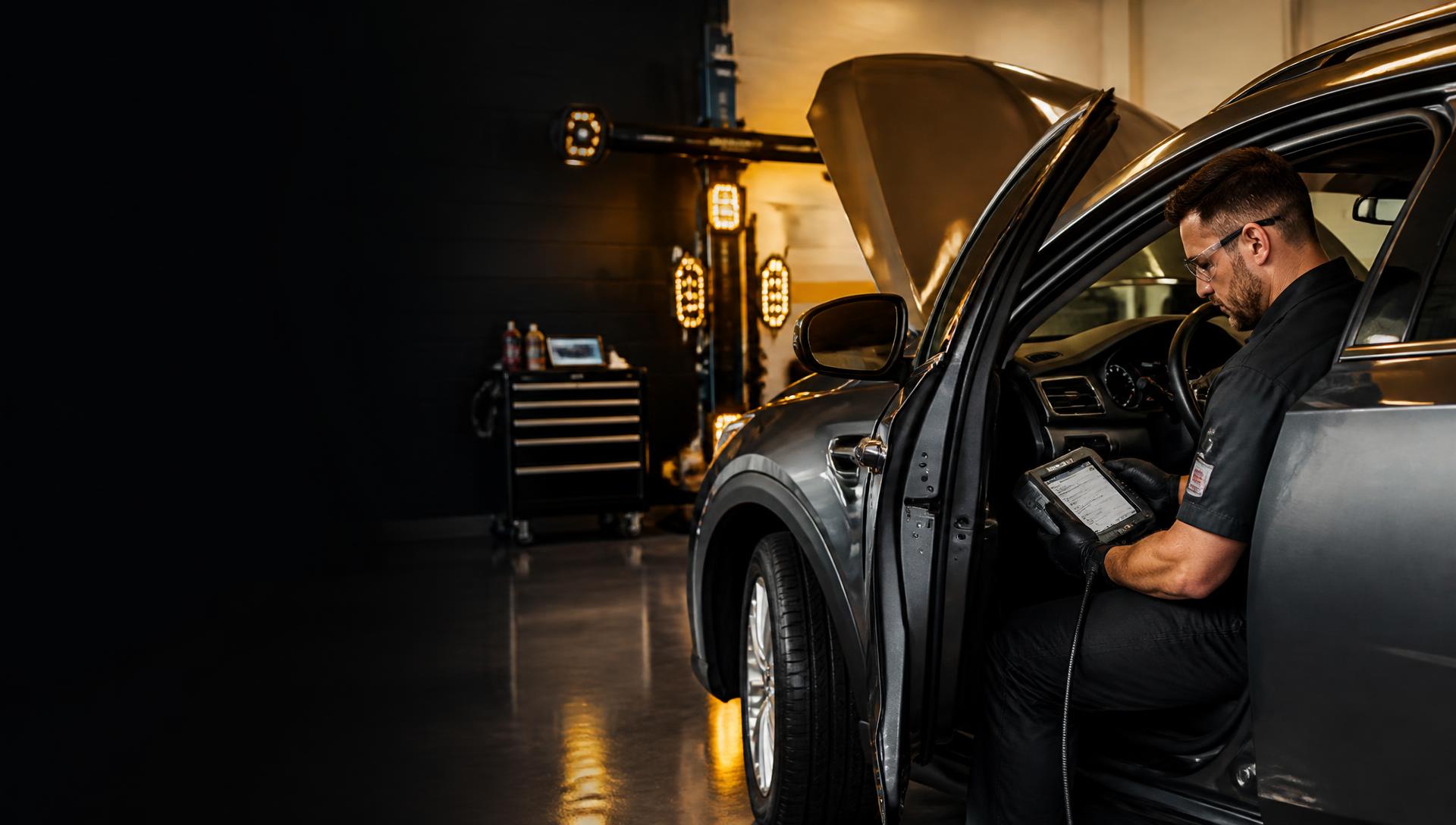
Modern automotive service combines mechanical work with electronics, networked control modules, computerized diagnostics, software-based service information, and precise testing procedures. A technician may diagnose a warning light electronically, test a circuit, measure a mechanical component, research a manufacturer procedure, and verify the repair during the same job.
The U.S. Bureau of Labor Statistics describes automotive service technicians and mechanics as workers who inspect, maintain, and repair cars and light trucks. O*NET classifies the occupation under SOC code 49-3023.
What Do Automotive Technicians Do?
Automotive technicians use inspection, testing, service information, and repair procedures to keep vehicles operating safely and reliably.
Depending on their training and role, technicians may:
- Inspect vehicles and document their condition
- Perform scheduled maintenance
- Use scan tools and computerized diagnostic equipment
- Retrieve and interpret diagnostic trouble codes
- Test batteries, charging systems, starters, sensors, and circuits
- Diagnose braking, steering, suspension, and drivability concerns
- Repair or replace worn mechanical and electrical components
- Service heating and air-conditioning systems
- Perform wheel alignment and tire service
- Verify repairs through testing and road evaluation
- Research technical service information
- Document labor, parts, measurements, and completed repairs
- Explain recommended repairs to customers or service advisors
BLS notes that technicians work with traditional mechanical systems as well as electronic systems and sensors used for braking, transmissions, engine management, and accident-avoidance technology.
What Can You Learn in an Automotive Technology Program?
Curriculum varies by school and credential. Automotive technology coursework may include:
- Shop safety and tool use
- Preventive maintenance and vehicle inspection
- Engine construction and mechanical operation
- Engine performance and drivability
- Fuel, ignition, intake, and emission-control systems
- Electrical theory and circuit testing
- Batteries, starting, and charging systems
- Electronic control modules and vehicle networks
- Brakes and antilock braking systems
- Steering and suspension
- Wheel alignment and tire service
- Automatic and manual transmissions
- Drivetrain and axle systems
- Heating and air conditioning
- Scan-tool operation
- Diagnostic strategies
- Service-information systems
- Technical mathematics and measurements
- Repair orders and documentation
- Customer communication
- Hybrid and electric vehicle safety, when included
Not every school teaches all of these subjects. Compare the actual curriculum and laboratory hours of each program before enrolling.
Mechanical Skill Meets Computer Diagnostics
Automotive repair is no longer limited to mechanical disassembly and parts replacement. Vehicles use interconnected sensors, control modules, electronic actuators, communication networks, cameras, radar, and software-controlled systems.
BLS reports that growing demand for calibration and repair of advanced safety systems is expected to support demand for automotive technicians during the 2025–2035 projection period.
Modern training may introduce students to:
- Digital multimeters
- Oscilloscopes
- Scan tools
- Battery and charging-system analyzers
- Pressure and vacuum testing
- Alignment equipment
- Manufacturer service-information platforms
- Advanced driver-assistance system concepts
- Hybrid and electric vehicle safety procedures
The availability and depth of advanced instruction vary significantly by school. Ask whether equipment and training vehicles reflect technology currently used in the industry.
Automotive Training and ASE Certification Are Different
Completing an automotive technology program and becoming ASE Certified are not the same thing.
A school may award a certificate, diploma, or degree after the student completes its academic requirements. ASE professional certification is a separate industry credential administered by the National Institute for Automotive Service Excellence.
ASE states that professional certification generally requires both:
- Passing the applicable ASE test
- Completing the required relevant hands-on work experience
Program graduates should ask whether their education may count toward any portion of an applicable experience requirement, but the school should not imply that graduation automatically makes someone professionally ASE Certified.
ASE also offers Entry-Level Certification assessments for students. Entry-Level Certification is different from professional ASE certification.
Common ASE Automobile Test Areas
ASE's Automobile and Light Truck test series includes individual areas such as:
- Engine Repair
- Automatic Transmission and Transaxle
- Manual Drivetrain and Axles
- Suspension and Steering
- Brakes
- Electrical and Electronic Systems
- Heating and Air Conditioning
- Engine Performance
- Light Vehicle Diesel Engines
A school may prepare students for some or all of these areas, but course completion does not guarantee a passing score or professional certification.
ASE Education Foundation Accreditation
The ASE Education Foundation evaluates and accredits entry-level automotive education programs against standards developed with the automotive service industry.
Accreditation applies to a particular program—not automatically to every program offered by an institution.
When comparing schools, prospective students should verify:
- Whether the specific automotive program is currently accredited
- The program area and accreditation level
- The campus covered by the accreditation
- The current accreditation status
- Whether the listing appears in the ASE Education Foundation school directory
Auto School Guide does not label a school or program as ASE-accredited unless that status has been independently verified.
EPA Section 609 Certification
Technicians who service motor-vehicle air-conditioning systems for compensation must be trained and certified through an EPA-approved Section 609 program.
EPA-approved programs cover refrigerant recovery, proper servicing equipment, regulatory requirements, and environmental considerations. A technician must complete approved training and pass the required test.
An automotive school may include Section 609 preparation or testing, but confirm whether it is included in tuition and whether successful students receive the actual EPA-recognized credential.
Automotive Work Environments
Automotive technicians may work in:
- Automobile dealerships
- Independent repair shops
- Maintenance and tire facilities
- Fleet-maintenance departments
- Government vehicle facilities
- Specialty performance shops
- Manufacturer or supplier technical operations
- Inspection and emissions facilities, where applicable
- Mobile repair businesses
- Parts, service-information, or technical-support roles
BLS reports that technicians generally work in ventilated and well-lit repair shops, but the occupation may involve greasy components, uncomfortable positions, evening or weekend schedules, and exposure to shop hazards.
Some employers pay hourly wages. Others use production-based or flat-rate compensation in which earnings may be affected by the amount and type of assigned work.
Is Automotive Technology a Good Fit for You?
Automotive technology may appeal to students who enjoy:
- Understanding how machines and electronic systems work together
- Solving problems through inspection and testing
- Working with tools and diagnostic equipment
- Learning technology that changes over time
- Following precise service procedures
- Comparing measurements and symptoms
- Working in a hands-on environment
- Explaining technical problems clearly
- Taking responsibility for safe and accurate repairs
Useful qualities include attention to detail, troubleshooting ability, mechanical reasoning, computer comfort, persistence, organization, and communication.
Automotive service can be physically demanding. Students should ask schools about essential physical activities, shop conditions, safety equipment, and reasonable accommodations.
How Long Does Automotive Training Take?
Automotive education may be available through:
- High-school career and technical education
- Short-term certificates
- Diploma programs
- Postsecondary certificate programs
- Associate-degree programs
- Apprenticeships
- Manufacturer-sponsored training
- Employer-based training
There is no single duration that applies to every automotive program.
Ask each school to confirm:
- Total program length
- Clock or credit hours
- Classroom and laboratory balance
- Credential awarded
- Internship or work-based learning
- Full-time and part-time options
- Day or evening schedules
- Manufacturer-specific training
- Included certification preparation
- Tools, books, uniforms, testing fees, and other costs
How to Compare Automotive Technology Schools
Before choosing a program, ask:
- Which automotive systems are included?
- How many hours are spent in a working laboratory?
- Are students trained on current vehicles and diagnostic equipment?
- Does the program include electrical and electronic diagnostics?
- Does it address hybrid, EV, and high-voltage safety?
- Is the specific program currently ASE Education Foundation accredited?
- Which ASE Entry-Level assessments are available?
- Does the curriculum help prepare students for professional ASE tests?
- Does the program include EPA Section 609 certification?
- Are tools included, loaned, or purchased separately?
- Are internships, apprenticeships, or employer partnerships available?
- Which employers recruit from the program?
- What credential is awarded?
- What is the complete cost?
- Are completion and employment outcomes documented?
- Which campus actually offers the program?
- What requirements remain after graduation?
A strong program should explain what students will learn, how much hands-on practice they receive, which credentials are included, and what additional experience or testing may be required after graduation.